
Chimney Work Done to the Letter of the Code
Spark arrestor caps, permitted inserts and reinforced rebuilds across southeast Los Angeles County.
A routine sweep still covers the cap on the roof, so a corroded or clogged screen that no longer meets the numbers is recorded on the same visit.
Chimney Sweep
Soot depth measured first, the flue brushed when the standard calls for it, and the spark screen left open to draw.
Chimney Inspection
The NFPA 211 level matched to your reason for calling, with every defect written next to the rule it breaks.
Chimney Repair
Each fault classed as fire risk, water entry or plain wear, then repaired under a written scope citing the rule.
Fireplace Inspection
Hearth depth, mantel gap and firebox wear measured against whichever rulebook applies: the masonry code or the unit's listing.
Fireplace Repair
Manufacturer parts for listed metal fireboxes, firebrick and refractory mortar for masonry ones, priced on paper before work.
Chimney Level 2 Inspection
The deeper NFPA 211 level, owed at a sale, an appliance or fuel change, a chimney fire or quake damage.
Chimney Cap Installation
Spark arrestor caps built to the residential code's mesh and open area numbers, then fitted to your flue and crown.
Chimney Flashing Repair
Water traced with a sectioned hose test, then step and counter flashing rebuilt into the roof and a sawn reglet.
Chimney Masonry Repair
Joint mortar picked to stay weaker than the brick, crowns recast with a drip lip, and cracks read for structural movement.
Chimney Rebuilds
Stacks past repair rebuilt with reinforcing steel and anchors into the framing, under a city permit with staged inspections.
Fireplace Cleaning
Firebox, grate and doors cleaned so hidden cracks and tight clearances come into view and get recorded.
Gas Fireplace Cleaning
Annual service that follows your model's own manual, with the outdoor vent cap cleared and carbon monoxide measured.
Gas Fireplace Repair
Meter tests on the pilot, flame sensor, valve and ignition, with the model's listed part fitted and every joint leak tested.
Fireplace Remodel
Mantels, surrounds and hearths laid out around clearance figures first, with fuel switches permitted where the city asks.
Fireplace Inserts
A sealed gas insert, a stainless liner to the chimney top and the gas line, permitted and finaled as one job.
Pellet Stove Repair
Fuel feed, igniter, fans and safety switches tested in a set order, with the vent run held to the manual's limits.
Wood Stove Repair
Fresh gaskets, baffle boards and firebrick so the stove controls its air, plus pipe, clearance and floor pad checks.
Gas Logs
Vented log sets matched to your firebox and flue, the damper locked open as the listing asks, gas valve within reach.
Chimney Seismic Retrofit
Brick stacks banded, braced back to the roof structure or lightened above the roof, scoped once the masonry is graded.
Chimney Crown Repair
Small crown cracks closed with an elastomer; failed crowns poured again with an overhang and a break around the flue tile.
Dryer Vent Cleaning
Lint pulled from the full duct to the outdoor hood, with duct material and run length compared to the code.
Chimney Liner Installation
Stainless liners sized to the appliance outlet, run the full height of the flue and permitted where required.
Chimney Leak Repair
Crown, cap, flashing and brick tested one at a time until the real entry point shows, then that point repaired.
Chimney Waterproofing
A repellent that still lets brick dry out, brushed on once the crown, flashing and mortar have passed.
Chimney Damper Repair
Seized or warped throat dampers repaired, or a cable operated unit mounted on the flue tile in their place.
Chimney Chase Cover
Corroded or sagging chase tops replaced in stainless, built to your chase with skirts that shed water past the siding.
When a rule or a deadline is driving the visit
Older houses changing hands, agents juggling several deals, landlords answering for tenant safety, owners facing a long fix list: each one gets a page with the standard behind it and our published prices.
Older house sales
Clay tile, cast-iron damper, lime mortar: what the deeper inspection checks on a pre-1980 chimney.
For agents
One contact and one routine for every listing and every buyer, deal after deal.
Property managers and HOAs
Tenant safety items checked and recorded fireplace by fireplace, priced per fireplace.
Repairs in stages
A long fix list split into now, next and later, with our prices beside each stage.
Focus cities first: Bell, Cerritos and Gardena, then outward.
Each of the 140 city pages lists the reviewing department for inserts and rebuilds and the chimney issue seen most often locally.
Route at a Glance
140
Cities with a page
1/2 in
Largest spark screen opening allowed
Paramount
Home base
Each city page names its permit department and the chimney defect recorded most there.
Paramount
Home base for our permit work, east of the river
Rule 445 no-burn alerts, November through February, can halt wood fires; gas-fueled appliances sit outside that rule. Our post-shake crown and flue check, filed for your insurer, matters with the Newport-Inglewood Fault sitting a few miles southwest of us.
Bell
Narrow-lot pre-war blocks named for James George Bell
Two loads act on the old brick: the yearly November to April soaking of crowns and joints, and quake shaking such as Whittier Narrows (1987, magnitude 5.9), which hurt older masonry across the San Gabriel Valley.
Cerritos
Dairy land turned master-plan suburb, east of our base
Sole-heat wood users, low-income households and homes beyond 150 feet of natural gas are among the Rule 445 exemptions. Chase tops and crowns take the November to April rain, while summers stay warm but short of valley heat.
Gardena
Card club city along the Dominguez Channel
Bare steel caps and flashing rust a little each year in damp marine air, and crowns stay wet. We spec stainless with arrestor mesh; the Newport-Inglewood Fault being close, shifted flue tiles go on our list too.
Further cities
136 further cities on the route
The full list shows every page.
Questions owners ask before booking
Spark arrestor figures, permits, inspection levels and burn days.
What does the code ask of a chimney cap's spark screen?
It sets the screen out in numbers. Each opening must block a ball half an inch across yet let a three eighths inch ball through, and the screen's net free area has to reach at least four times the flue outlet. Rust, packed soot or a torn panel can push a screen outside those limits, so we put a gauge on it at the roof rather than judging it from the driveway.
Does a gas insert need a permit?
In most cities, yes. Adding a gas appliance and a liner changes how the chimney is used, so the building department wants to see it. Cities around here each run their own counter, and some contract with the county. We find out which office covers your address, file the application and meet the inspector at the final.
What has to be true before an insert can go in?
Three conditions. The firebox has to be big enough for the unit, a liner sized to its outlet has to reach the top of the chimney, and the clearances in its manual have to work in your room. A factory built fireplace also has to be listed for an insert at all, and we read that plate before any model comes up.
When does a chimney need rebuilding instead of repair?
If the brick still sits in line and only the joints have opened, repointing usually does it. If the stack leans, has cracked clean through at the roofline or keeps splitting after patches, the damaged section has to come down and go back up with reinforcing steel and anchors into the framing, under a permit with inspections along the way.
Which inspection level should I book?
Your reason for calling decides it. Ordinary yearly use with nothing changed fits a Level 1. A sale, a new appliance or fuel, a chimney fire, or quake or storm damage are the triggers NFPA 211 names for a Level 2, which adds recorded video of the flue. A Level 3 involves removing finished material, so we only suggest one with the reason set out in writing.
Is a factory built fireplace held to different rules?
Yes. It is a listed appliance, so its own installation manual sets the clearances, the approved caps and chimney sections, and whether an insert or gas logs may go in. A part from outside that list can void the listing. We read the plate inside the firebox before recommending anything.
Are there limits on burning wood in this area?
This part of the county falls under the South Coast AQMD. Its Rule 445 lets the district forecast mandatory no-burn days through the cooler months, and those days apply to wood fireplaces and wood stoves alike. Gas appliances are exempt, which is a common reason owners ask us about an insert or a log set.
I can smell gas by the fireplace. What now?
Leave the knob and the light switches alone and walk out with the household. Once you are well clear of the house, report it to your gas supplier from there. Our part starts after the supplier has signed off the line, when we trace the fault in the fireplace itself.
Does the house need carbon monoxide alarms?
If anything in the home burns fuel, and a fireplace counts, or a garage shares a wall with the living space, state law expects an alarm outside each sleeping area and on every floor. A city inspector at a final or a buyer's inspector at a sale will look for them, so we note any that are missing on every visit.
Can the top of a brick chimney be rebuilt lighter?
Often. Above the roof, brick can give way to a wood framed chase around a listed metal flue, which takes weight off what is below. The new top still needs a cap that meets the spark screen rule and, in most cities, a permit. The written scope explains whether that route suits the house.
Will you tell me if a permit is needed before work starts?
Yes. Every written scope carries a permit line: required, not required, or confirm with the city, plus the office that covers your address. If one is needed and you want us to handle it, the filing and the inspection visits are listed in the price.
A rule question about your own chimney? Put it on the form.
Call (562) 449-0773How a code-checked chimney job runs
The reason for the request sets the level; the rule sets the scope; the final closes any permit.
Start With the Reason
Use the contact form to say what prompted the request: a sale, an insert you are weighing, a crack, a rusty cap or a year since the last sweep. That reason picks the inspection level.
Read the Top
On the roof we gauge the cap mesh, compare its open area to the flue and look over the crown and flashing. A factory built chimney is held to its listing plate.
Follow It Down
Inside, the flue, smoke chamber, damper and firebox get the same treatment. Roofline cracks that run through brick, not only mortar, are marked for a structural read.
Put the Rule Beside It
The written report lists each defect, the rule it fails and the fix, plus whether the city building office will want a permit for that fix.
Do the Work, Close the Permit
We fit the cap, set the insert or rebuild the stack, meet the inspector where a permit applies and leave the signed card for your house file.
Knowing which code applies settles most chimney questions.
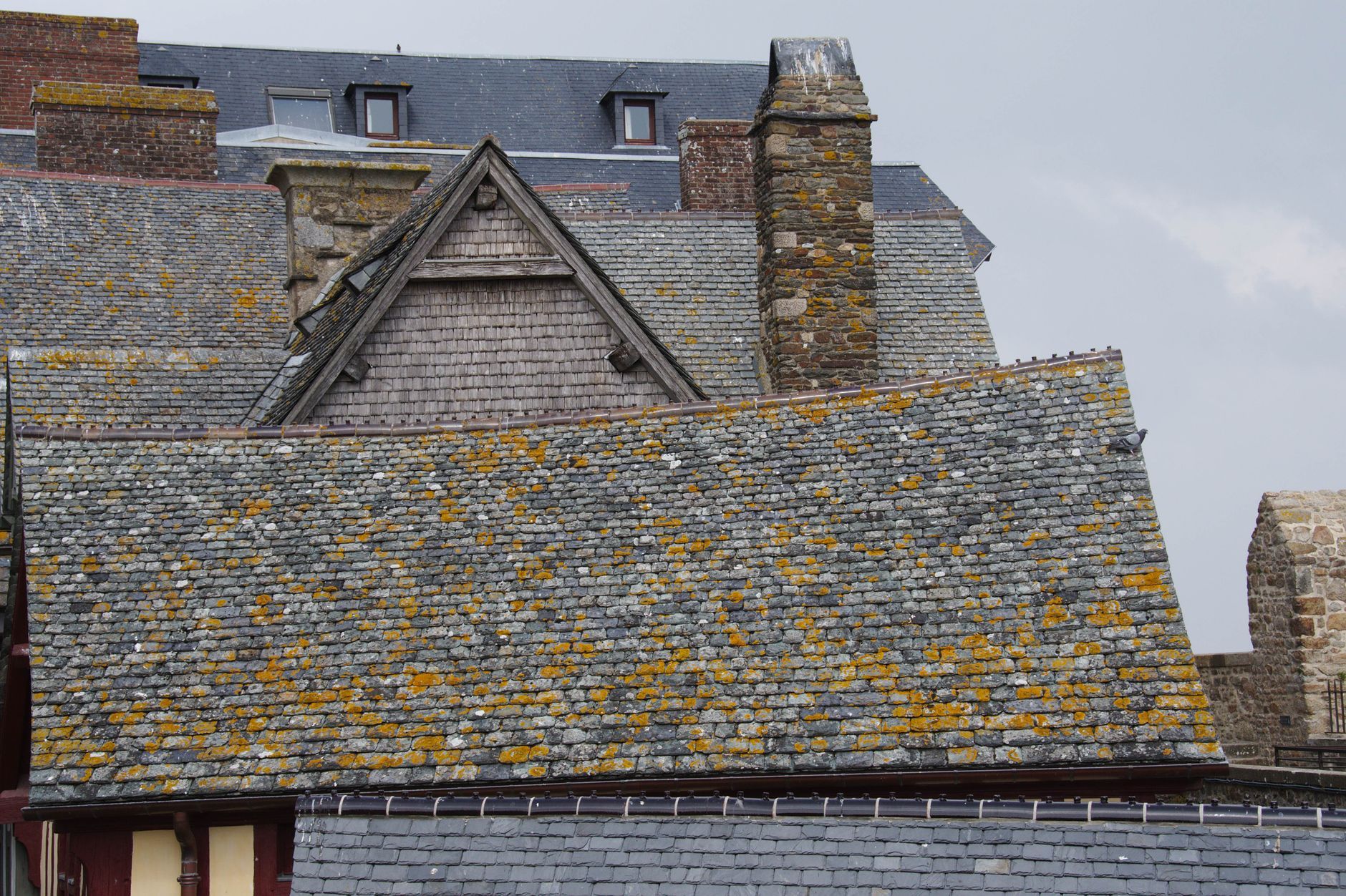
Elmore Chimney Sweep serves the Gateway cities of southeast Los Angeles County, Bell, Cerritos and Gardena among them. Brick chimneys here have lived through the 1987 Whittier Narrows and 1994 quakes, and later tracts added metal factory fireplaces with their own listing rules.
So each visit starts by asking which rule governs the chimney in front of us. For a cap, that means the residential code's spark arrestor figures: openings that stop a half inch ball, pass a three eighths inch one and add up to four times the flue outlet.
For an insert it means the appliance manual, a liner to the top and, in most cities, a permit closed by a final inspection. For a stack past repair it means reinforcing steel and anchors into the floor and roof framing, inspected in stages.
- Cap
- Openings and net area against the code
- Insert
- Manual, liner and a passed final
- Rebuild
- Reinforcing bars and framing anchors
Rule First, Then the Fix
Every recommendation names the code section or listing behind it, so you can see why each item is on the list.
Permits Handled in the Open
Inserts, relines and rebuilds go through the city building counter. The scope says so before you sign, and we attend the inspections.
Steel Where the Stack Is New
A rebuilt chimney gets vertical bars, horizontal ties and anchors into the framing. Fresh brick with no steel is not counted as a rebuild.
Listings Followed on Factory Units
On a factory built fireplace, caps, inserts and parts come from what the listing permits, so the unit stays the one that was tested.
Know which rule your chimney answers to before any work is priced.
Request a written scope
Name, number and the job in question. The reply covers the rule, the level and the price.